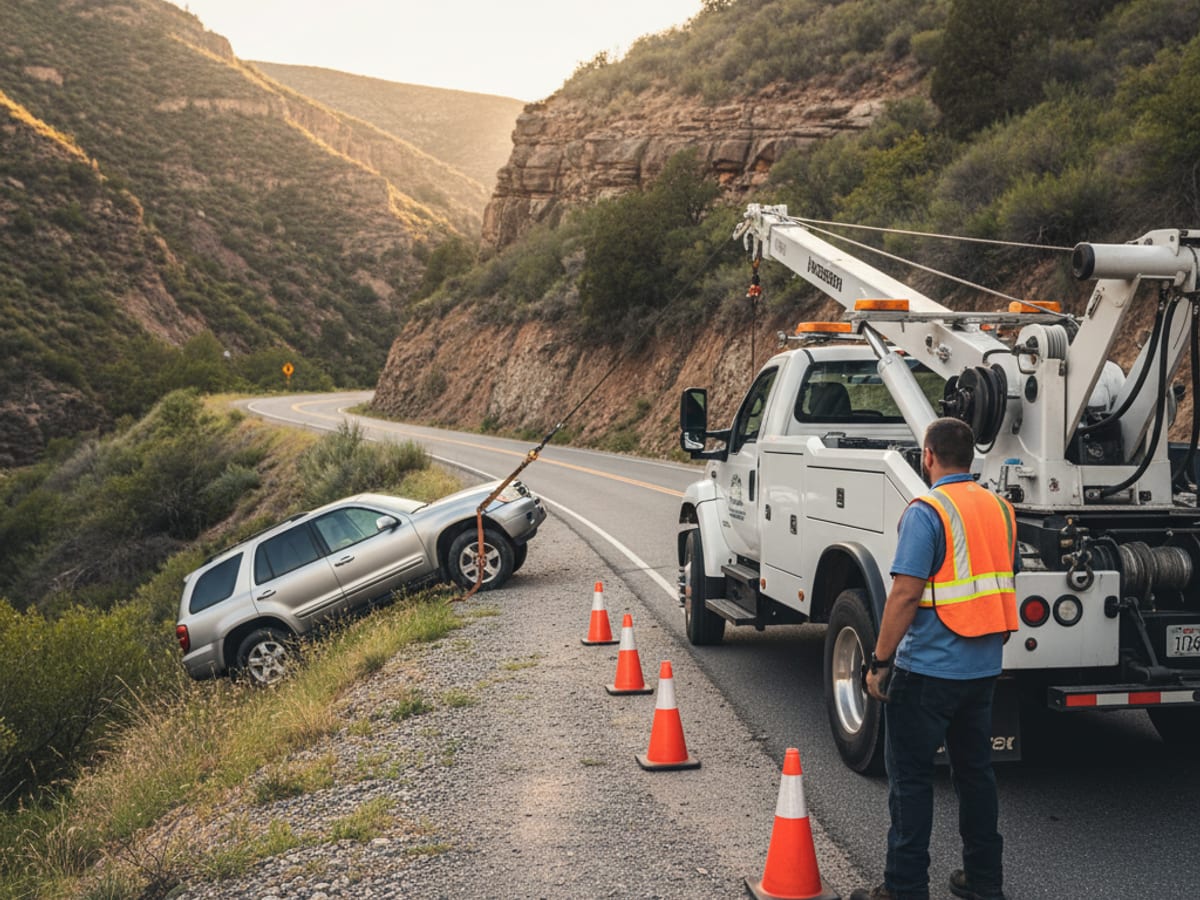
If your car gets towed in Texas, you have real rights: the operator has to be licensed, the fee has to fall under a published cap, and you have a path to dispute a tow you believe was wrong. San Antonio’s own city caps are actually lower than the state maximum, so knowing which set of numbers applies to your tow matters.
Every tow operator has to be licensed
Texas regulates towing through the Texas Department of Licensing and Regulation, under the Texas Towing and Booting Act, Occupations Code Chapter 2308. Every operator, company, and vehicle storage facility doing non-consent towing has to hold a state license. If a company can’t produce a license number when you ask, that’s a red flag worth raising with TDLR directly.
TDLR’s rules, found in 16 TAC Chapters 85 and 86, also govern the tow ticket you’re given at pickup and the fees a private-property tow can charge. That paperwork isn’t optional, and it’s your record if you need to dispute anything later.
The fee caps: state versus San Antonio city
Texas sets statewide maximum fees for non-consent tows, meaning tows you didn’t ask for, like a private lot enforcement tow or a police-ordered tow. The 2023 TDLR biennial caps are:
- Up to 10,000 lb: $272
- 10,001 to 25,000 lb: $380
- Over 25,000 lb: $489 per unit, up to $978 max
Drop fees, what an operator can charge if you catch them before your car leaves the lot, are capped at $135, $190, and $244 for the same weight classes. Storage runs up to $22.85 per day for vehicles 25 feet or shorter, $39.99 for longer vehicles, plus a $50 notification fee and an impound fee capped at $20. Storage can only be charged for a maximum of 5 days unless you were properly notified.
San Antonio sets its own caps under City Code § 19-402, and they sit below the state maximum: $177 up to 10,000 pounds, $196 for 10,001 to 24,999 pounds, and $602 at 25,000 pounds and over. Local storage is capped at $21.03 per day plus tax, $36.80 for vehicles 25 feet or longer. A tow that happens inside San Antonio city limits should be billed at the lower city rate, not the higher state maximum.
Your right to dispute a tow
If you believe a tow was improper, whether the signage was missing, the fee was wrong, or the tow shouldn’t have happened at all, you have a path to raise it. Start with the tow company and the property owner directly. If that doesn’t resolve it, TDLR accepts complaints against licensed operators, since license standing is exactly what the agency oversees.
Keep your paperwork. The tow ticket, any receipt for fees paid, and photos of where your car was parked and any signage all matter if you take a dispute further. An operator charging above the applicable cap, city or state depending on where the tow happened, is a straightforward violation you can point to with numbers.
Recording a call or a conversation
Texas is a one-party consent state under Penal Code § 16.02, meaning you can record a phone call or in-person conversation as long as you’re a party to it, without telling the other person. That matters if you’re on the phone with a tow company or a property manager and want a record of what you were told about fees or the reason for the tow.
Getting your car back
Regardless of why the tow happened, San Antonio City Code § 19-54 sets what you need to get the vehicle released: your certificate of title or other satisfactory proof of ownership, plus payment of the tow and storage fees owed. If someone else is picking the car up for you, they need the title and a notarized owner authorization, and you’ll sign an indemnification agreement at pickup.
Why the fee caps exist at two levels
Texas lets a city set its own non-consent tow cap as long as it doesn’t exceed the state maximum, which is why San Antonio’s numbers sit below TDLR’s statewide schedule. The state ceiling protects drivers everywhere in Texas, including places with no local ordinance of their own. A city with enough call volume and enough local data, like San Antonio, can then tighten that number further. Knowing which number applies to your situation, city or state, is the difference between spotting a real overcharge and assuming a fair bill is a violation.
Keeping your own paperwork
The single best thing you can do after any tow is hold onto every piece of paper the operator hands you. The tow ticket required under TDLR’s rules should list the reason for the tow, the operator’s license information, and an itemized breakdown of every fee charged. If you ever need to dispute a charge or prove what happened, that paperwork is what a complaint reviewer or a small claims court will actually look at, not your recollection of the conversation at pickup.
Frequently asked questions
Does every tow company in Texas have to be licensed? Yes. Occupations Code Chapter 2308, the Texas Towing and Booting Act, requires state licensing through TDLR for operators, companies, and vehicle storage facilities doing non-consent towing.
Which fee cap applies to a tow in San Antonio, city or state? The lower San Antonio city cap under Code § 19-402 applies to tows inside city limits. It’s below the statewide TDLR maximum.
What’s a drop fee, and is it capped? A drop fee is what an operator can charge if you stop the tow before the vehicle leaves the lot. State caps are $135, $190, or $244 depending on vehicle weight.
Can I record a call with a tow company in Texas without telling them? Yes. Texas is a one-party consent state under Penal Code § 16.02, so you can record a conversation you’re part of.
What do I do if I think I was overcharged? Compare the charge to the applicable cap, city or state depending on where the tow happened, then raise it with the tow company and file a complaint with TDLR if it doesn’t get resolved.
What do I need to get my car out of impound? Your certificate of title or other satisfactory proof of ownership, plus payment of the tow and storage fees, under City Code § 19-54.