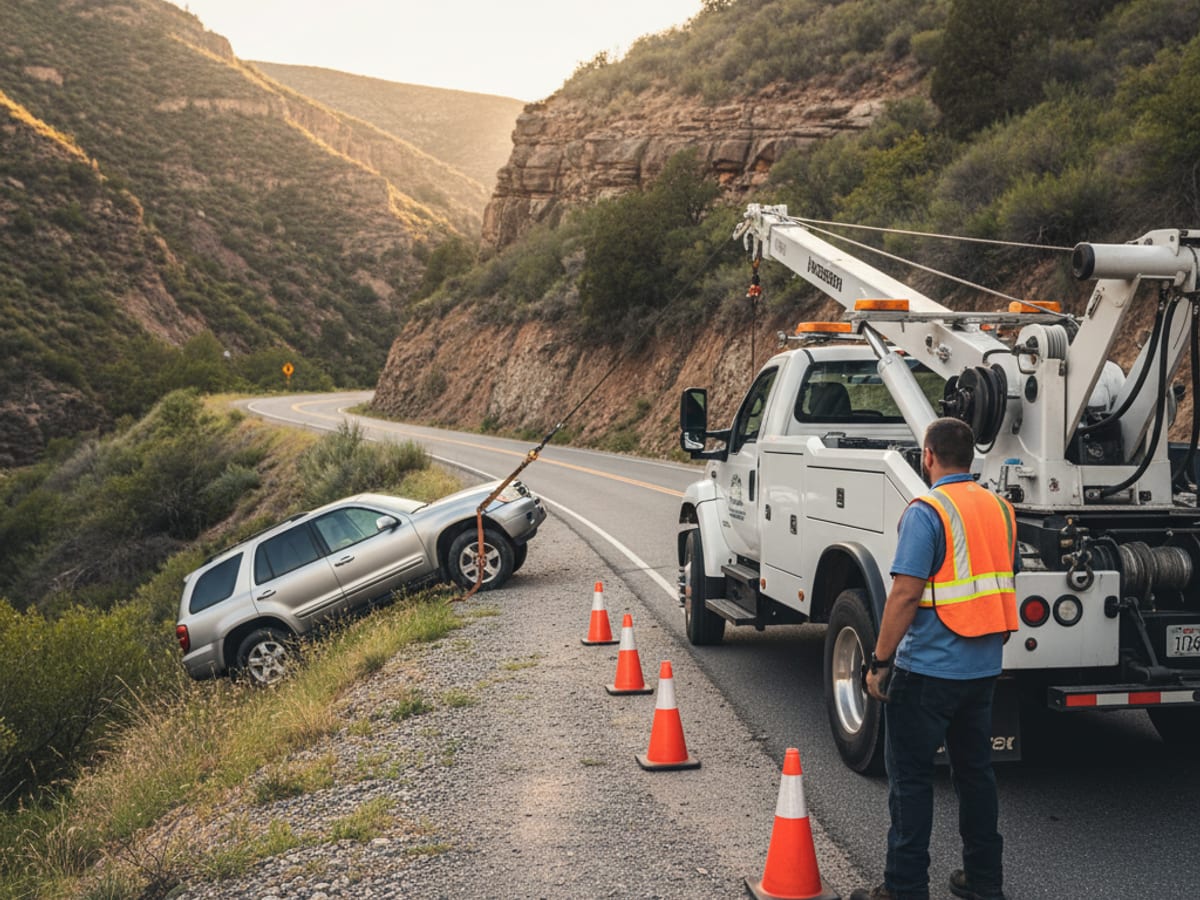
An apartment complex in Texas can’t tow your car just because your registration or inspection sticker expired. State law, House Bill 560, specifically bars that. They can still tow you for other reasons, like blocking a fire lane or parking in a tow-away zone, so an expired sticker alone isn’t the whole story if your car actually got towed.
What HB 560 actually says
Texas HB 560 closes a gap that used to let some apartment complexes and private lots tow tenants over paperwork instead of actual parking violations. Under this law, an apartment complex cannot tow a vehicle simply because its registration or inspection sticker is expired.
That’s a meaningful limit. An expired sticker is a citation you can get from a police officer on a public street. It isn’t, by itself, grounds for a private lot to hook up your car and take it to a storage yard, even if the lot has “no expired registration” language somewhere in its lease or posted rules.
What they can still tow for
HB 560 doesn’t ban towing at apartment complexes. It narrows the reasons. A complex can still tow your car if it’s:
- Blocking access, a fire lane, a driveway, or another vehicle
- Parked in a marked tow-away zone
- A semi-trailer or oversized vehicle not permitted in the lot
- Leaking a dangerous fluid, like gas or oil, that poses a safety issue
So if your car was towed and the paperwork says “expired registration,” but the car was also parked across two spots or blocking a dumpster gate, the complex may point to the other violation as the real reason. The registration issue alone isn’t enough on its own, but a legitimate parking violation is.
What to do if this happens to you
First, get the actual reason for the tow in writing. Ask the property management office and the tow company for the specific violation cited, not just “the car had issues.” If expired registration is the only reason given, that tow may not have been lawful under HB 560.
Next, check for the signage. Under San Antonio City Code § 19-391, a private lot has to post signs at driveway and curb-cut entrances, and mark restricted areas at intervals no more than 50 feet apart, before it can tow at all. No proper signage is a separate problem on top of the registration issue.
Document everything. Photos of where your car was parked, the posted signs (or lack of them), and any paperwork from the tow company all matter if you dispute the charge later. Keep the tow receipt, which should show the company name and the fees charged.
To get your car back in the meantime, San Antonio City Code § 19-54 requires your certificate of title or other satisfactory proof of ownership, plus payment of tow and storage fees. You can raise the HB 560 issue with the property or the tow company after your car is out, since most people need the vehicle back before they can fight the charge.
Renewing registration to avoid the whole problem
An expired sticker still isn’t something to ignore, even with HB 560 protecting you from a complex-lot tow over it alone. A police officer can still cite you for it on a public street, and if your car has any other issue, a leak, a blocked lane, an unauthorized spot, the registration problem stops being your only exposure. Renewing through the Texas DMV keeps you clear of the citation risk even if the towing risk is narrower than people assume.
Why this law matters beyond one tow
HB 560 exists because expired-registration tows were an easy way for a lot to generate towing revenue off paperwork technicalities rather than actual parking problems. A sticker can lapse for reasons that have nothing to do with how or where a car is parked, a mailed renewal notice that got missed, a payment that didn’t process, a temporary cash crunch. None of that tells you anything about whether the car is causing a problem in the lot. Narrowing the reasons a complex can tow for keeps enforcement tied to actual site issues instead of a tenant’s paperwork status.
That distinction matters if you’re a tenant trying to figure out whether to push back on a tow. A complex that towed you for a real access or safety issue is on solid legal ground even if your registration also happened to be expired. A complex that towed you and can only point to the sticker is on much shakier ground, and that’s the scenario HB 560 was written to stop.
Talking to the property before it escalates
If your registration is about to lapse and you’re worried about a tow, it’s worth a short conversation with the leasing office before anything happens. Most property managers would rather hear “I’m getting this renewed this week” than deal with a dispute after a tow. It also puts you on record as aware of the issue, which can matter if a tow happens anyway and the stated reason turns out to be the sticker alone.
Frequently asked questions
Can my apartment complex tow me just for an expired registration sticker in Texas? No. HB 560 specifically prohibits towing a vehicle from an apartment complex solely because its registration or inspection is expired.
What can an apartment complex still tow for? Blocking access or a fire lane, parking in a marked tow-away zone, having an oversized semi-trailer in the lot, or leaking a dangerous fluid like gas or oil.
What if my car had expired registration and was also parked wrong? The complex can point to the actual parking violation as grounds for the tow. The expired registration by itself just isn’t enough under HB 560.
Does the lot still need to post signs to tow me for a real violation? Yes. San Antonio City Code § 19-391 requires posted signage at entrances and around restricted areas regardless of the reason for the tow.
What do I need to get my car out of the impound lot? Under City Code § 19-54, you need your certificate of title or other satisfactory proof of ownership, plus payment of the tow and storage fees.
Who do I contact if I think my tow violated HB 560? Start with the property management office and the tow company for the stated reason. If the signage or the stated reason doesn’t hold up, you can raise a complaint with the Texas Department of Licensing and Regulation, which licenses tow operators.